Lifestyle
Small habits, good food, a garden that fits, and people you love. These stories are written for real weeks, not perfect ones.
A daily walk, without the fuss
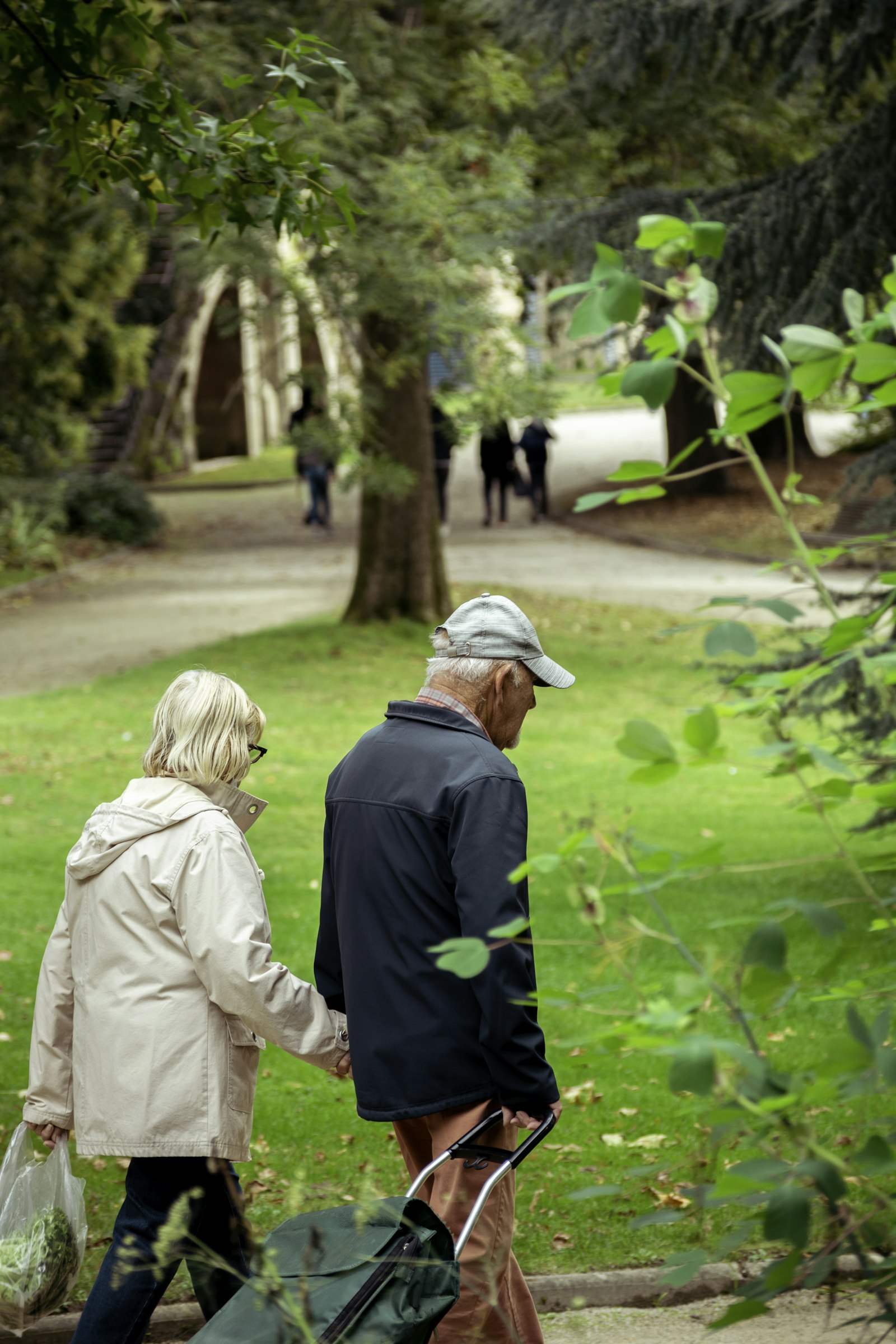
Photo by Barthe Kouakou on Unsplash.
Walking is the most forgiving exercise there is. You do not need a gym, a class, or special clothes. You need shoes that fit, a route you like, and a reason to go out the door. Start with ten minutes. If ten minutes feels easy after a week, add five more. If a day is wet or cold, walk inside a mall, a library, or a community hall. The point is the habit, not the distance.
Pick a route with places to rest. A bench, a low wall, or a cafe where you can sit for a few minutes makes a longer walk feel possible. Tell someone your route if you walk alone, and carry your phone. Walk facing traffic where there is no sidewalk, and wear something bright at dusk. Good shoes matter more than good speed. If your feet hurt, stop and check the fit, not your willpower.
A walking friend helps more than any app. Agree on a day and a time, and meet even when you do not feel like it. Talk while you walk, and the miles pass without counting. If you use a cane or a walker, choose smooth paths and go at your own pace. A short walk you enjoy will beat a long walk you dread, every time. End with water, a stretch, and a note in your head about what you saw. That small ritual is what brings you back tomorrow.
If you miss a day, do not worry. Start again the next day, at the same time, on the same route. A habit that survives a missed day is a habit that lasts, and a walk you enjoy is worth keeping for years.
Cooking for one or two
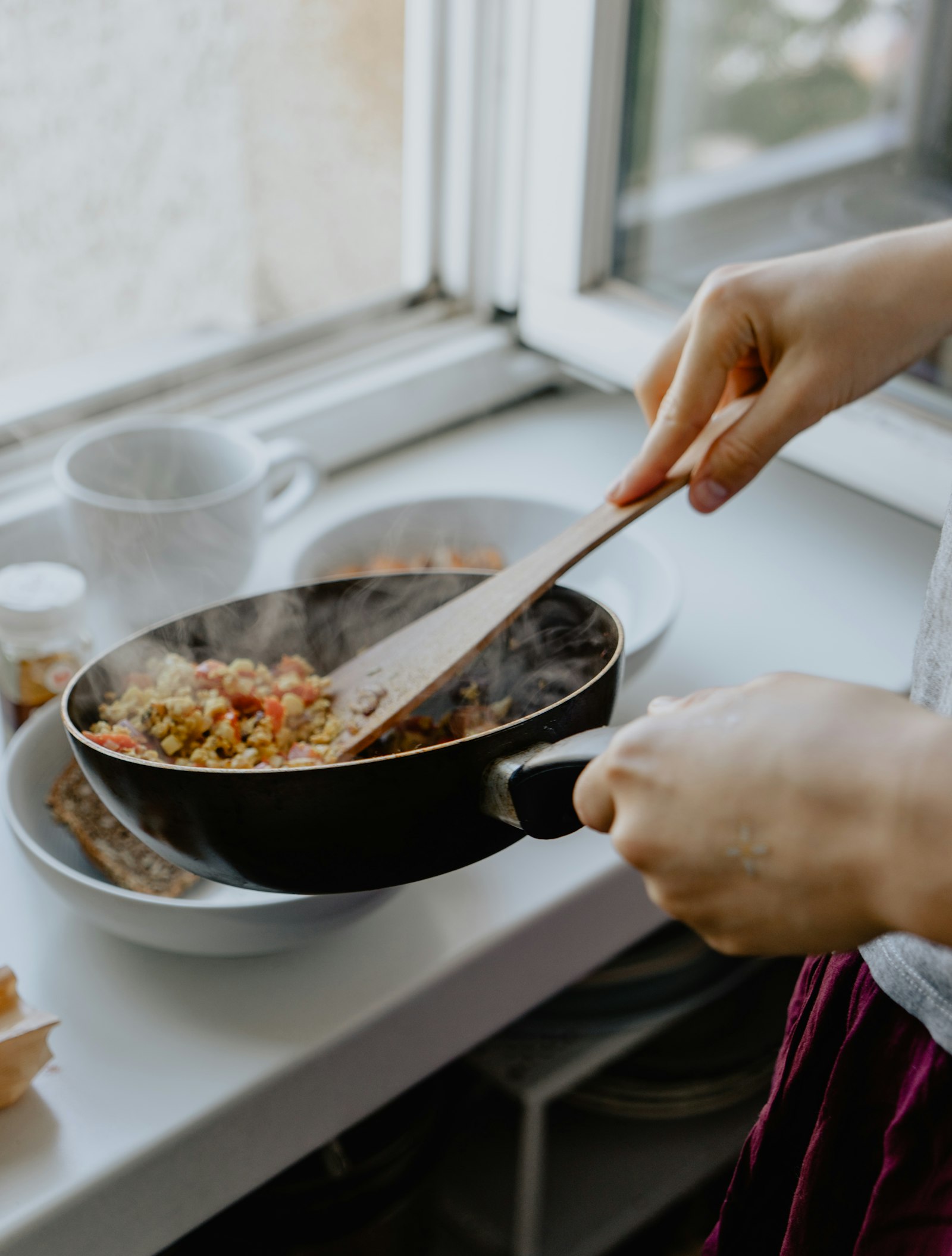
Photo by Kevin McCutcheon on Unsplash.
Cooking for one or two can feel like too much work for too little reward. The trick is to cook once and eat well twice. A pot of soup, a tray of roasted vegetables, or a simple stew will keep in the fridge for three days, and it tastes better on the second day. Freeze the rest in single portions, label them with the date, and you have a ready meal for a tired evening.
Keep a short list of pantry staples: rice, pasta, tinned beans, tinned tomatoes, eggs, onions, garlic, frozen peas, and a good oil. With those, plus one fresh vegetable and one protein, you can make a meal in twenty minutes. A frittata uses up leftover vegetables. A stir fry uses up the last of the chicken. A sandwich on good bread, with soup on the side, counts as a proper supper.
Shop with a list, and buy small amounts of fresh food often rather than a large shop that wilts in the fridge. If chopping is hard, buy pre-cut vegetables, or ask for help at the shop. Sit down to eat, even alone, with a plate and a glass of water. Food tastes better at a table than at a counter. Invite a neighbour for a simple meal once a week, and take turns cooking. It costs little, and it turns a chore into company.
Keep a few favourite recipes on cards by the stove, so you do not have to decide from scratch each night. A small rotation of meals you know well will save time, save money, and still leave room for a new dish when you feel like trying one.
A garden that fits your back
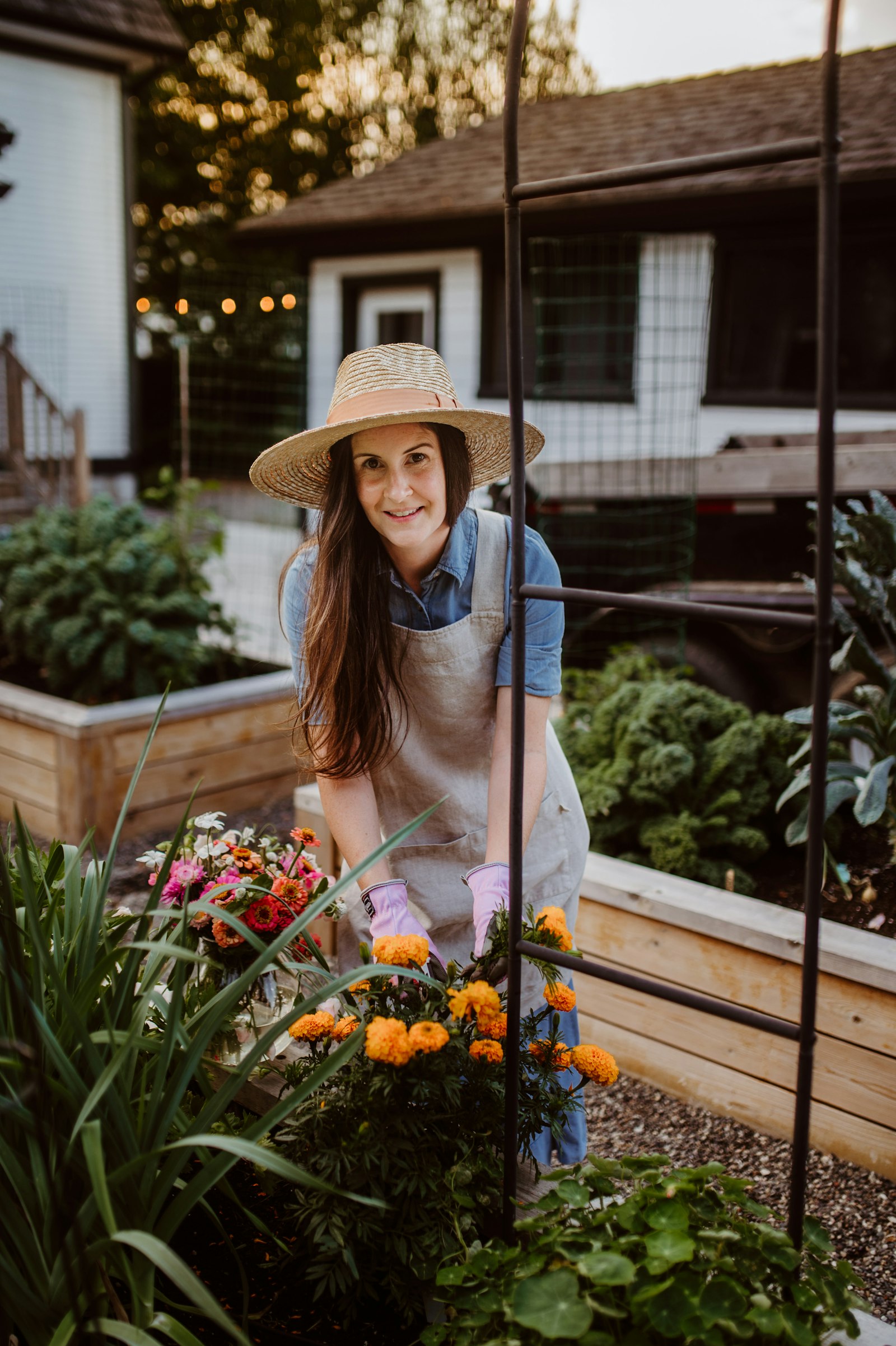
Photo by Amie Roussel on Unsplash.
A garden should fit the gardener, not the other way round. If bending hurts, raise the beds. A bed at waist height lets you plant, weed, and pick without kneeling. Use light tools with long handles, and a small stool for low work. Work in short spells, twenty minutes at a time, with a cup of tea in between. Your back will thank you, and the garden will still get done.
Choose plants that forgive a missed week. Herbs like rosemary, thyme, and mint are hard to kill. Tomatoes, courgettes, and beans give a lot for little space. Flowers like marigolds and nasturtiums add colour and keep pests down. Water in the morning, mulch to hold moisture, and weed a little often rather than a lot at once. A small garden you tend well will feed you better than a large one you dread.
Gardening is also good company. Swap seedlings with a neighbour, join a community garden, or grow extra and share it. A basket of tomatoes on a doorstep starts more conversations than a perfect lawn. If you have no garden, grow herbs on a windowsill or in pots by the door. The smell of basil in summer is worth the effort alone, and the work keeps your hands busy and your mind calm.
Start with one bed, or even a few pots, and add more only when the first ones feel easy. A garden grows with you, season by season, and the best garden is the one you still enjoy tending in October, not just in May.
Staying close to family

Photo by Vitaly Gariev on Unsplash.
Families spread out. Children move for work, grandchildren grow up in other towns, and a phone call can feel like a poor substitute for a visit. It is not, if you make it regular. Pick a day and a time, and keep it. A Sunday call, a Wednesday video chat, or a short message each morning gives everyone something to look forward to, and it stops the worry that comes with silence.
Share photos, not just news. A picture of your garden, your lunch, or the dog asleep in the sun tells a family more than a long report. Ask the grandchildren what they are reading, playing, or building, and listen to the answer. Send a card in the post now and then. A card on the fridge lasts longer than a text on a phone.
Visits work best with a plan and a limit. Agree on a day, a time to arrive, and a time to leave. Keep it short and sweet rather than long and tiring. If travel is hard, meet halfway, in a cafe or a park, or ask family to come to you. Say what you need plainly, whether that is help with a heavy box, a lift to an appointment, or just company for an afternoon. Family wants to help, and clear words make it easy for them to do so.
If a call feels too short, try a letter, or a short voice message the family can play again. The form matters less than the rhythm. A little contact, often, keeps a family close, even when the miles are long.
Money basics in retirement

Photo by Sasun Bughdaryan on Unsplash.
Retirement money is not about being clever. It is about knowing what comes in, what goes out, and what is left for the unexpected. Write it down, on paper if you like, once a month. List your regular income, your regular bills, and your food and transport. If the numbers do not balance, look first at the small, regular costs, not the big, rare ones. A subscription you forgot, a daily coffee, or a food shop without a list adds up quietly.
Keep an emergency cushion if you can, even a small one, in a separate account you do not touch for daily spending. Pay the important bills first: housing, food, heat, and medicine. If a bill worries you, call the provider and ask about a payment plan or a discount. Many will help if you ask early, and few will help if you wait until the bill is overdue.
Be careful with offers that sound too good. If someone pressures you to decide today, to keep a secret, or to pay with gift cards or wire transfers, stop and talk to someone you trust. Real help does not rush you. Talk to your family and an independent advisor before you make a big money decision, and keep your important papers in one place where a trusted person can find them if needed.
Review your money once a year with someone you trust, and write down any changes. A short, honest look once a year will catch small problems early, when they are still easy to fix, and it will give you peace of mind for the year ahead.
Travel close to home
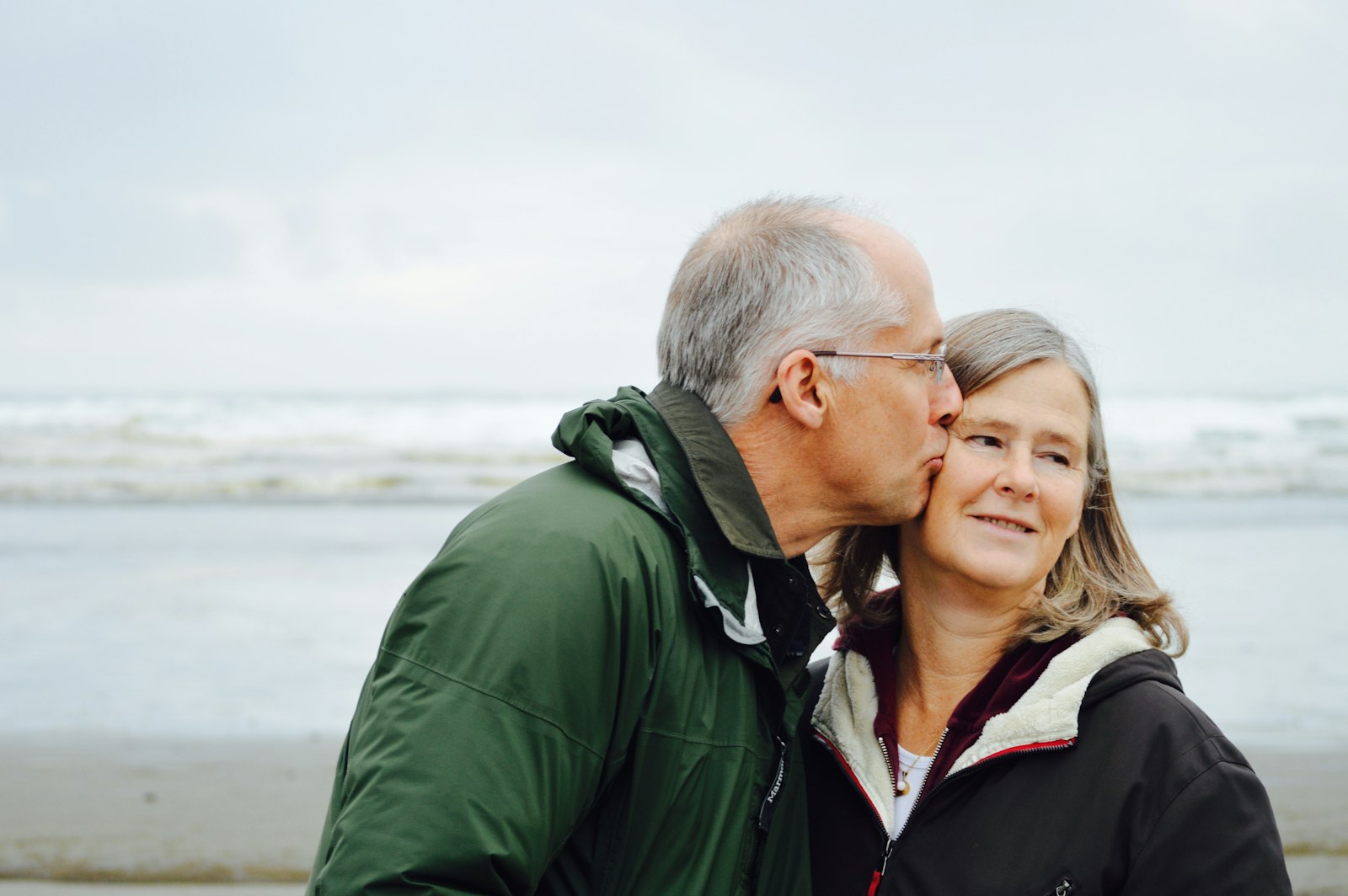
Photo by Esther Ann on Unsplash.
You do not need a long flight to have a good trip. A day out within an hour of home can feel like a holiday if you plan it well. Pick a town you have not visited in years, a garden open to the public, a museum with a good cafe, or a coast path with benches. Go on a weekday if you can, when it is quieter, and take your time.
Pack light: water, a snack, a hat, and a layer for the weather. Check the route, the parking, and the toilets before you go, so there are no surprises. Travel with a friend if you like company, or go alone if you like quiet. Take photos, but also sit and look. A bench with a view is a destination in itself.
If you want a longer break, try a short stay close to home first. Two nights in a nearby town is a good test for a longer trip later. Book a place with a lift if stairs are hard, and a ground floor room if that helps. Tell someone where you are going and when you will be back. The best travel close to home leaves you rested, not tired, and gives you a story to tell when you get back.
Keep a small list of places you want to see, and pick one each month. A list turns a vague wish into a plan, and a plan turns a quiet weekend into a day you will remember.
Try a brain game next See what a policy could be worth at Cash For Life